![Steve Young, NFL Hall of Fame quarterback, discusses coaching behaviors that promote and protect mental health at a youth athlete mental health panel at Stanford University yesterday. mental health is something he wishes had been discussed more when he was younger. "I would’ve loved to have the ability to chat about it [mental health] so I'm glad it's happening now," Young said.](https://palyvoice.com/wp-content/uploads/2026/02/Untitled-6-3.jpg)
Taking advantage of the attention drawn by the Super Bowl in Santa Clara today, multiple mental health programs on Wednesday evening partnered to sponsor a mental health panel on youth athletics at Stanford University.
Organized Stanford’s Department of Psychiatry and Behavioral Sciences, the Defensive Line program and other organizations, the event featured several speakers including Hall of Fame quarterback Steve Young, former NFL quarterback Andrew Luck and ESPN broadcaster Dave Flemming. Key themes included the media’s commitment to prevention messaging, mental health’s connection to athletic performance, and how good sleep habits are directly associated with athletic participation.
According to Young, mental health for athletes is a topic that deserves more attention.
“Mental health and athletics is something that I have personal experience with,” Young said. “I wish that when I was younger, I had known to ask questions and someone could’ve told me anxiety is actually a common thing that happens to a lot of people and kids. If people are meeting to figure out better ways to build this muscle for society and to help kids deal with the normal anxieties and worries that don’t ever get voiced, I’m all for that.”
According to Ivan Rodriguez, an event organizer and Stanford mental health coordinator, the event aimed to spark dialogue and leverage the Super Bowl’s proximity to draw greater attention to mental health in sports.
“What we [Stanford youth mental health professors] wanted to do here was create an event to bring all of these people together — NFL players, former players, media members — and have a conversation about health and sports and how we could connect those and make it better for the youth,” Rodriguez said.
Rodriguez said he hopes athletes and students will start focusing on prioritizing their own mental health.
“Athletes are people first,” Rodriguez said. “So make sure you take care of yourself, whether you’re an athlete or a scholar.”
For Paly athletes in attendance, the panel’s messages about empathy and support also resonated in the context of their own experiences as student athletes.
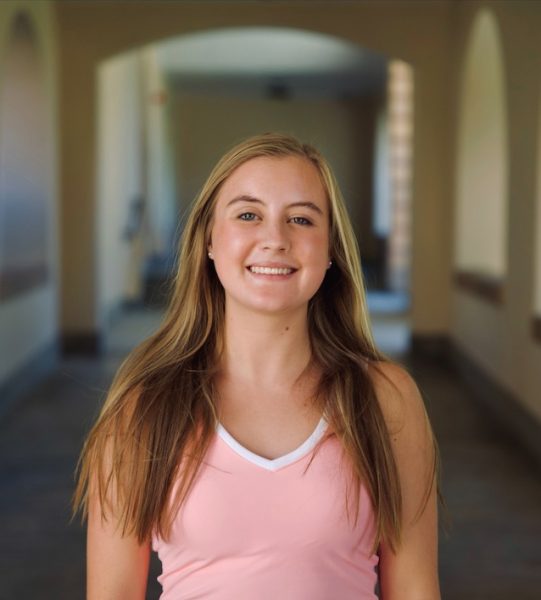
Camryn Ogawa, Paly senior and varsity] basketball player, said that she attended the event to support the idea of highlighting the mental health of student athletes.
“It’s great that they’re emphasizing the idea of sports and mental health,” Ogawa said. “For athletes, it’s [mental health] something that’s not talked about a lot of the time. Some of the topics have been really helpful here, especially hearing about how when you’re having a bad day, you should think of why you’re doing this sport.”
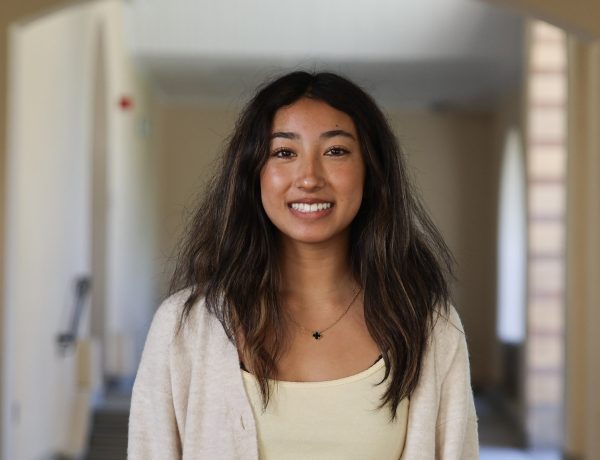
Multi-sport Paly athlete Natalie Dymmel said that the event resonated with her because of the mental challenges she faced during her recovery. Though surrounded by sports her whole life, Dymmel, a senior, said she is just now becoming interested in athlete mental health after years of overlooking it.
“I felt a pull towards learning more about mental health when I got injured during my sophomore year,” Dymmel said. “As soon as I lost my ability to play, I had to ask myself, ‘Do I have any other purpose? Do I have value outside of my sport?’ That was really hard for me to face, but I found that I can be good at things other than being an athlete. I can be a student, an athlete and also a friend.”
While the panel was organized well in advance, it took on a deeper significance following the loss of a Palo Alto High School student the day before the event, as themes of empathy and support formed an unspoken subtext throughout the discussion. In conversations with panelists afterward, athletes offered advice for Palo Alto High School students processing the loss.
Young said that sometimes dealing with loss allows you to reconnect with yourself and what’s really important.
“The more you learn that life is not just about you, the more you learn to get used to empathy,” Young said. “Use loss as an opportunity to mature your spiritual kind of connection. It’s hard. It’s such a shock when life ends early. It’s really important that people use it as an opportunity to say, ‘I’m here, I’m alive and I want to grow. I want to learn from this.’”
Solomon Thomas, former linebacker for the Dallas Cowboys and a founder of the Defensive Line program, encouraged students to lean on trusted support systems.
“Loss affects us all differently and it hurts at different levels,” Thomas said. “If you have safe places [and] people you can talk to, let them know how you’re feeling. If someone wants to talk to you, you don’t have to have the answers. You can just listen, tell them I’m here for you. If you don’t have that space, try to find it, try to reach out to someone. The teachers, the principal, the counselors, they all love you.”
If you or a friend are in need of immediate support, use the resources listed below:
Call 911 or 988 Lifeline
Crisis Text Line: Text ‘home’ to 741741
National Suicide Prevention Lifeline: Call or Text 988
Trevor Lifeline LGBTQQ+ Crisis Support: 1-866-488-7386
Bill Wilson Youth Hotline (24-hour Suicide & Crisis Line): 408-850-6125