For some Palo Alto High School students, the escalating war in Iran isn’t just a distant news story.
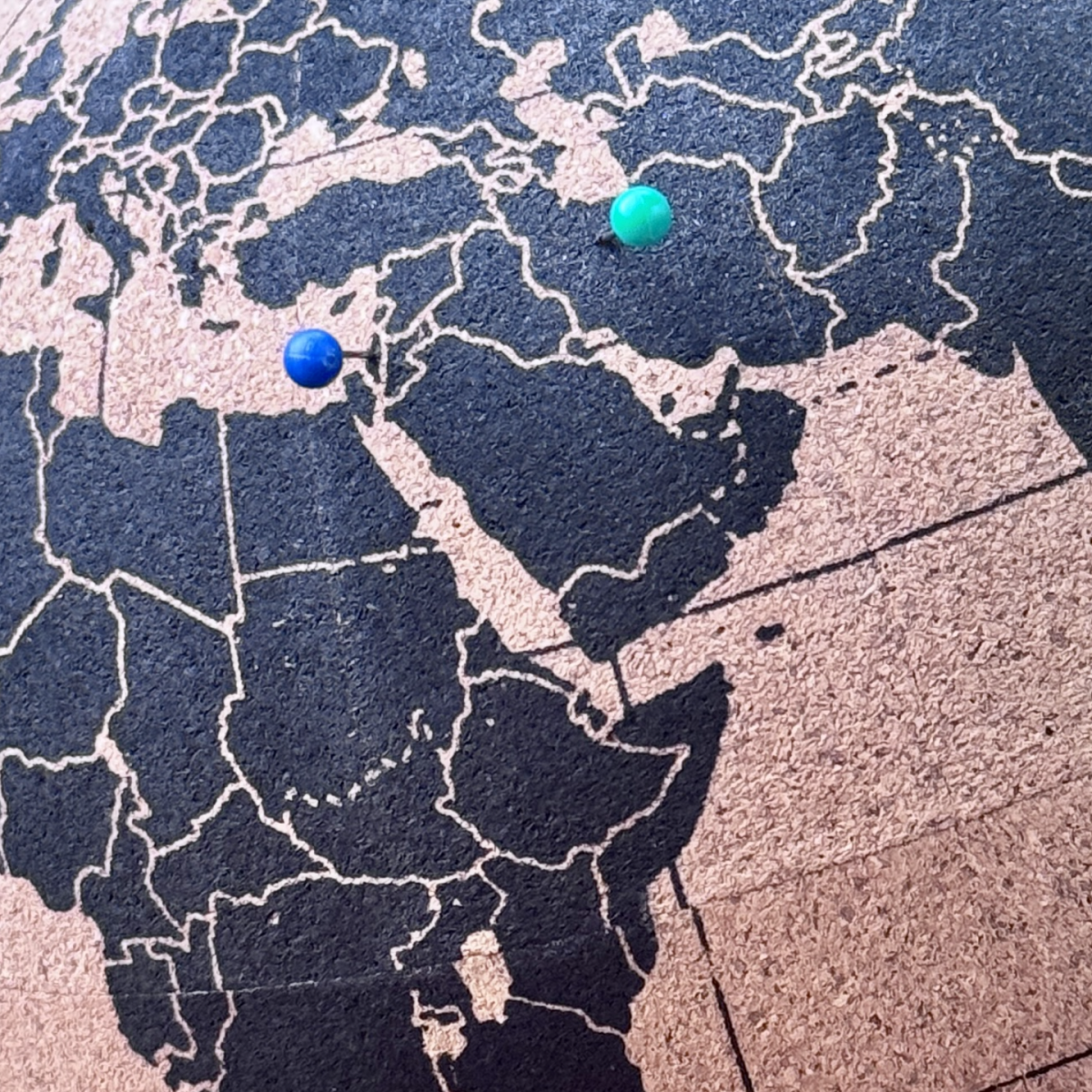
Following American-Israeli strikes on Iran on Feb. 28, the conflict has grown to impact countries across the Middle East and beyond, forcing many students with ties to the region to watch from afar as their friends and families navigate the increasingly volatile situation.
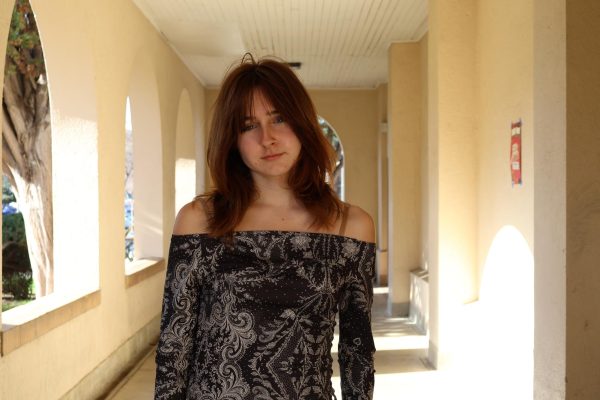
According to Paly sophomore Lucy Bothe, who is currently studying abroad in Tel Aviv, hearing air raid sirens has become very common ever since the beginning of the war.
“The other night there were at least five sirens,” Bothe said. “Sometimes there is no siren and just a boom without any warning. … It’s pretty crazy, I am terrified.”
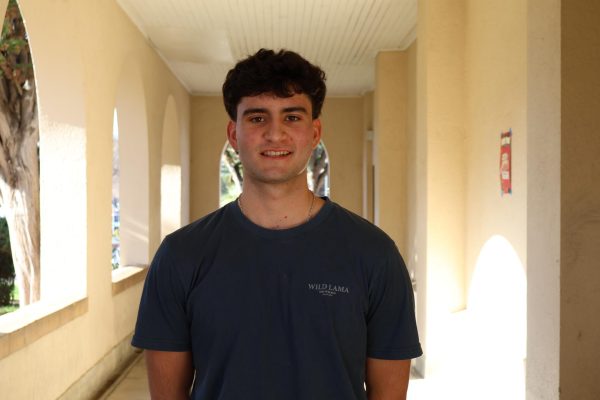
Paly junior Artin Irani said that contacting his family in Iran has been challenging for the past few weeks, adding an extra layer of fear to the situation.
“It’s definitely a lot of fright just to have family there and not be able to know what’s happening with them, especially in such a dark time when people are getting killed,” Irani said. “It’s frightening because I don’t know what to expect, and I can’t do anything because they’re so far away.”
Bothe said that despite not feeling safe in Israel, she is grateful to be in proximity to a bomb shelter.
“I don’t feel safe at all, but I feel safer than a lot of other people in Israel right now because we have access to a bomb shelter under our school,” Bothe said. “People here [in Israel] can’t go back to their normal lives; everyone is constantly worried.”
Paly freshman Anahita Vondrak said that her family in Iran has been unable to maintain consistent communication outside of the country because of Iran’s near-total internet blackout.
“It [contacting family] has been kind of inconsistent, but a few times during the past few months, we’ve been able to contact my aunt and my grandparents,” Vondrak said. “Most of my family lives in Tehran, so there’s been some strikes near the neighborhood where they live.”
Since Feb. 28, at least 1,200 Iranians and 14 Israelis have been killed in the war, according to NPR.
Irani said the instability of the situation has left him and his family with many unanswered questions.
“With the connection shutting down, when are we going to be able to contact them [family members]?” Irani said. “How are things going to play out in the future? We don’t know, so that’s just scary.”
When the war first began, U.S. President Donald Trump cited regime change as a motive, telling the Iranian people to “take over” their government in a video posted to Truth Social. But since then, Trump has altered his position, saying that the Iranian people would be unlikely to overthrow the Islamic Republic, according to the Wall Street Journal.
Vondrak said she is pessimistic about the implications of the war.
“It [the war] just makes me really sad,” Vondrak said. “What I’m worried about is that all of this stuff will be for nothing, and there won’t actually be any helpful change for the people.”