On the first day of the war in Iran, up to 175 schoolgirls and staff were killed following an American strike on Shajareh Tayyebeh School, an Iranian girls’ school in Minab, southern Iran.
President Donald Trump initially claimed the strikes were due to a misfired Iranian missile, but an analysis from The New York Times found that an American Tomahawk missile struck the building due to outdated information from the Defense Intelligence Agency.
But by the time the strike was confirmed to be American, claims of a misfired Iranian missile had already spread widely.
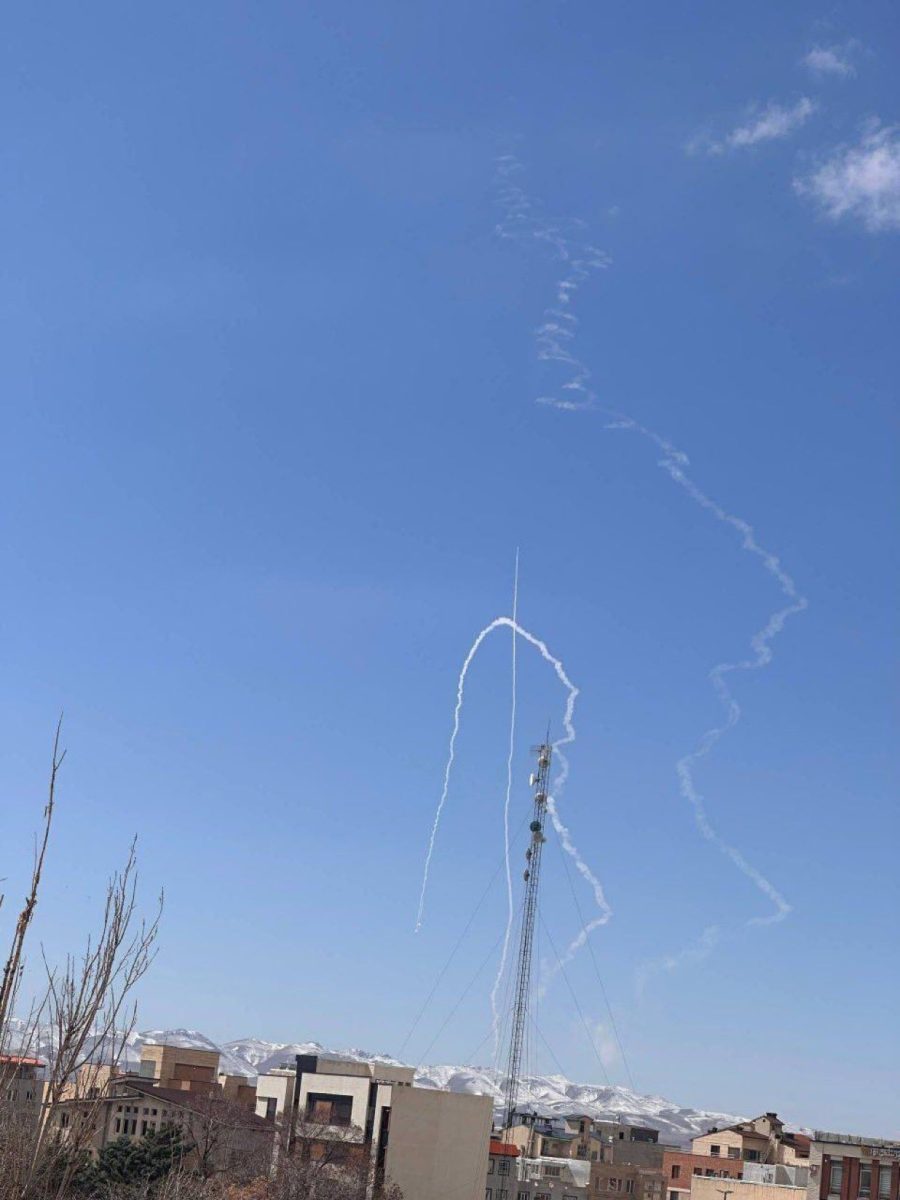
I saw multiple peers of mine — other Palo Alto High School students — reposting Instagram posts claiming that the strike was “confirmed” to be the fault of the Iranian military, even spreading a debunked photo of missile contrails going straight up and straight down, claiming it to be proof of an Iranian misfire causing the strike.
I don’t necessarily blame them. I believe that, like many Americans, they truly thought that the strike was Iranian. It is hard to come to terms with the fact that your country, your military, the force that’s supposed to protect you, may have struck a school — students our age — due to sheer error.
It’s much easier to brush the attack off as some other party’s fault and move on with your day.
But it’s important we don’t take the easy route in addressing hard topics, especially during war. If we do not wait before pointing blame at the other side, it’s easy to misconstrue the reality of what’s actually happening.
According to a 2022 peer-reviewed journal entry from Nature Reviews Psychology, false information exerts a “lingering effect” on people’s reasoning about a topic, even after information has been corrected or debunked. Experts refer to this as the continued influence effect.
Spreading false information, especially about a rapidly-developing topic, has real impacts. In the case of war, misinformation can even help manufacture consent for further military action, according to a 2026 peer-reviewed journal entry from Frontiers in Communication.
According to Matthew Gentzkow, a Stanford professor of technology and economics who has done research on the impact of social-media-based misinformation, false information is often easier to fall for during a war.
“In a context where crazy, unprecedented things are already actually happening, people are more likely to believe other unprecedented things that might not be happening,” Gentzkow told The Paly Voice. “The ability to create false, dramatic, eye-catching, sensationalist things that catch people’s attention can be greater in a war, because so much more is plausible.”
As the war in Iran enters its third week, we must stay critical about the information we consume and share.
When information is current, emotional and unconfirmed, it’s best to wait before spreading it.